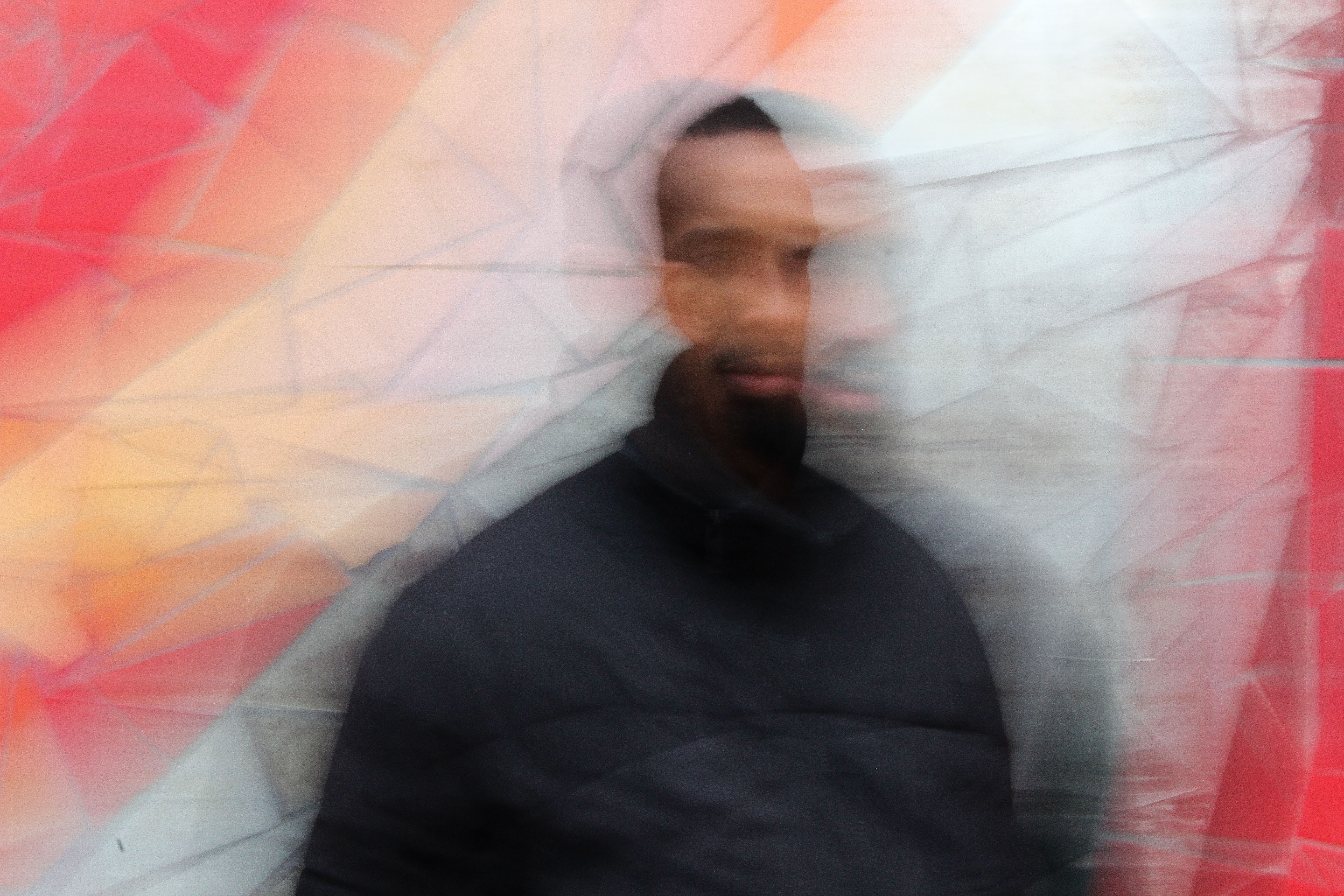
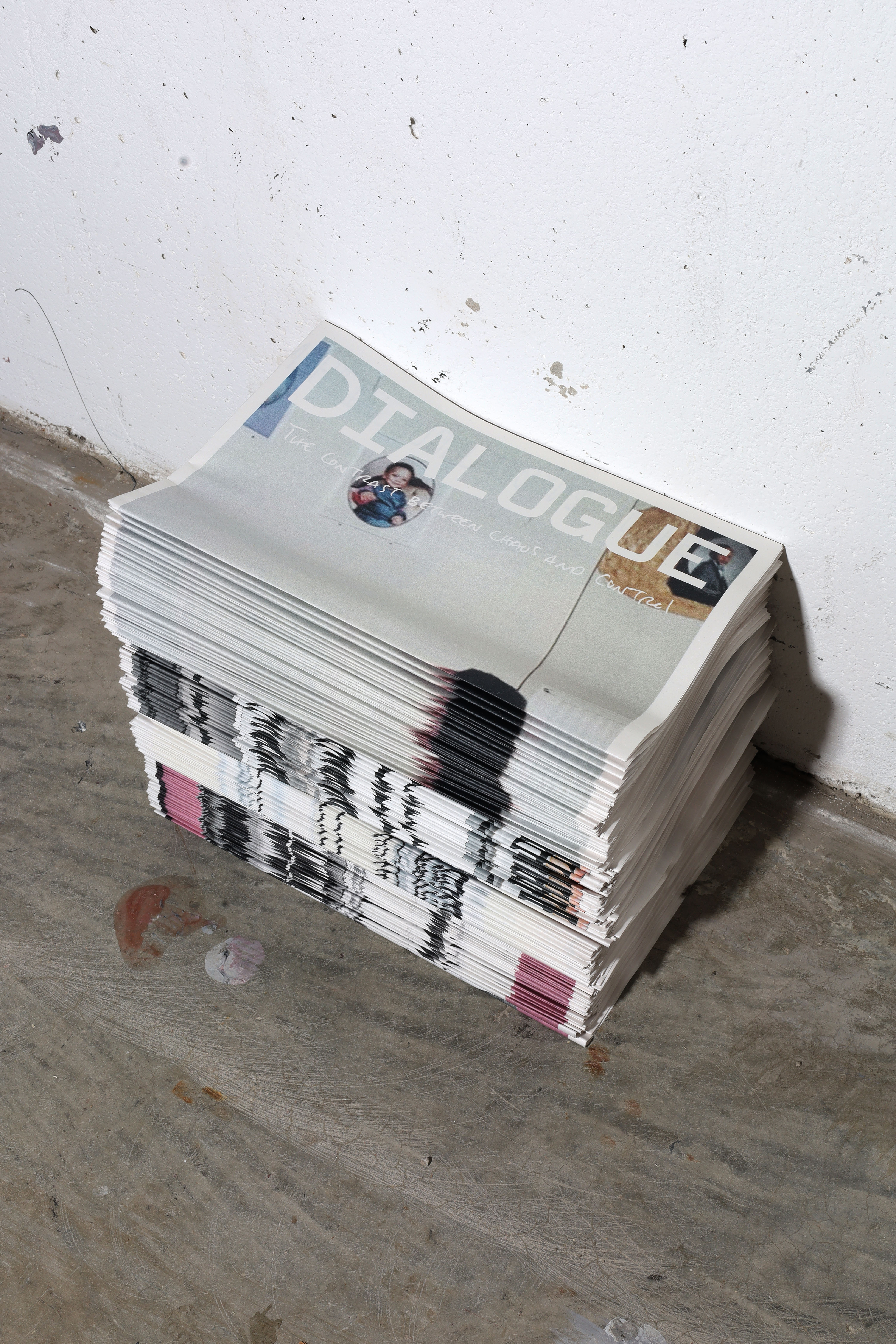
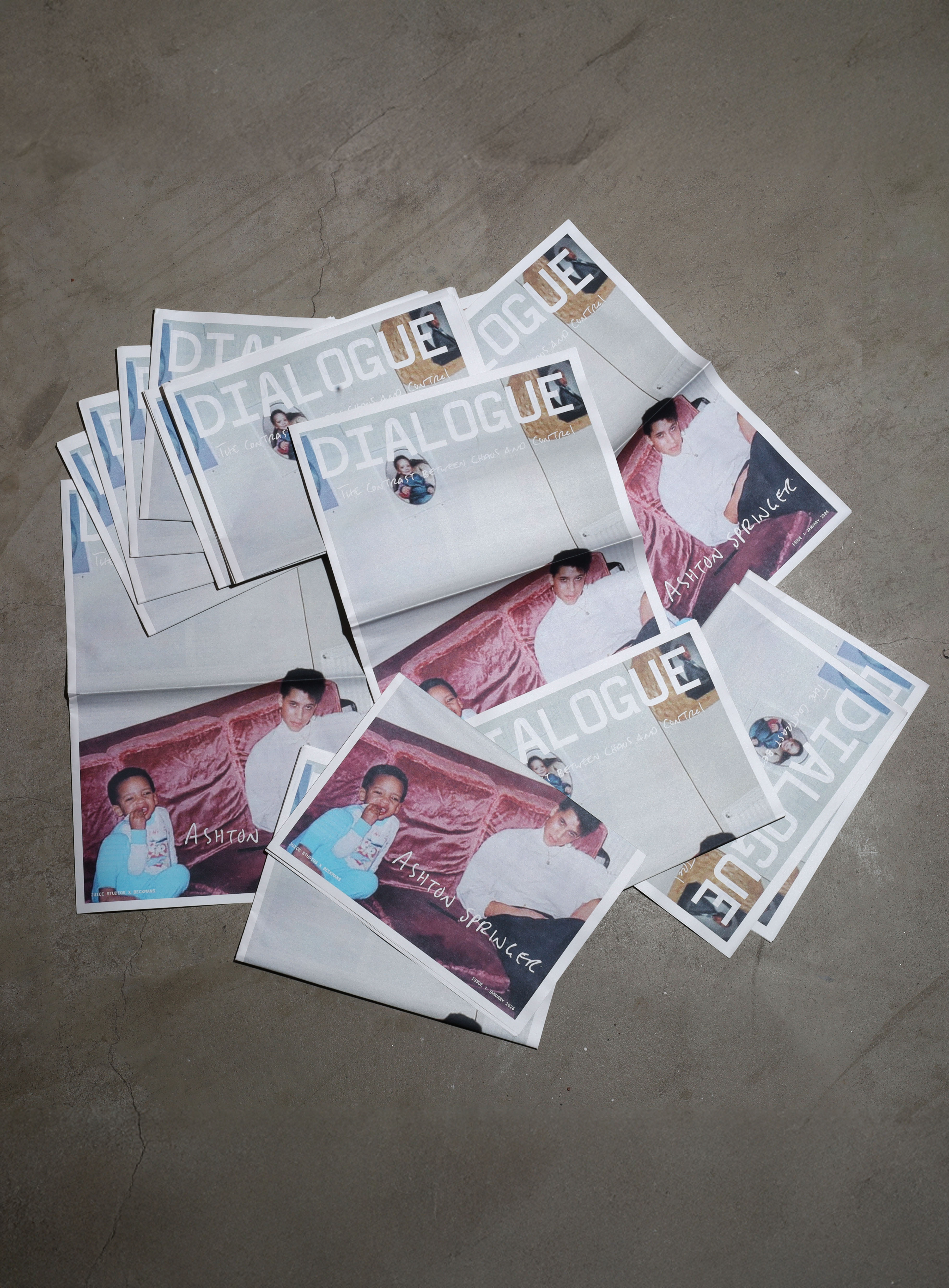
A collaboration with Juice Studios, developed together with Ashton Springer (Illustrator and Wellness advocate). Exploring his journey from London to Stockholm and the contrasts shaping his life: control and chaos, structure and intuition.
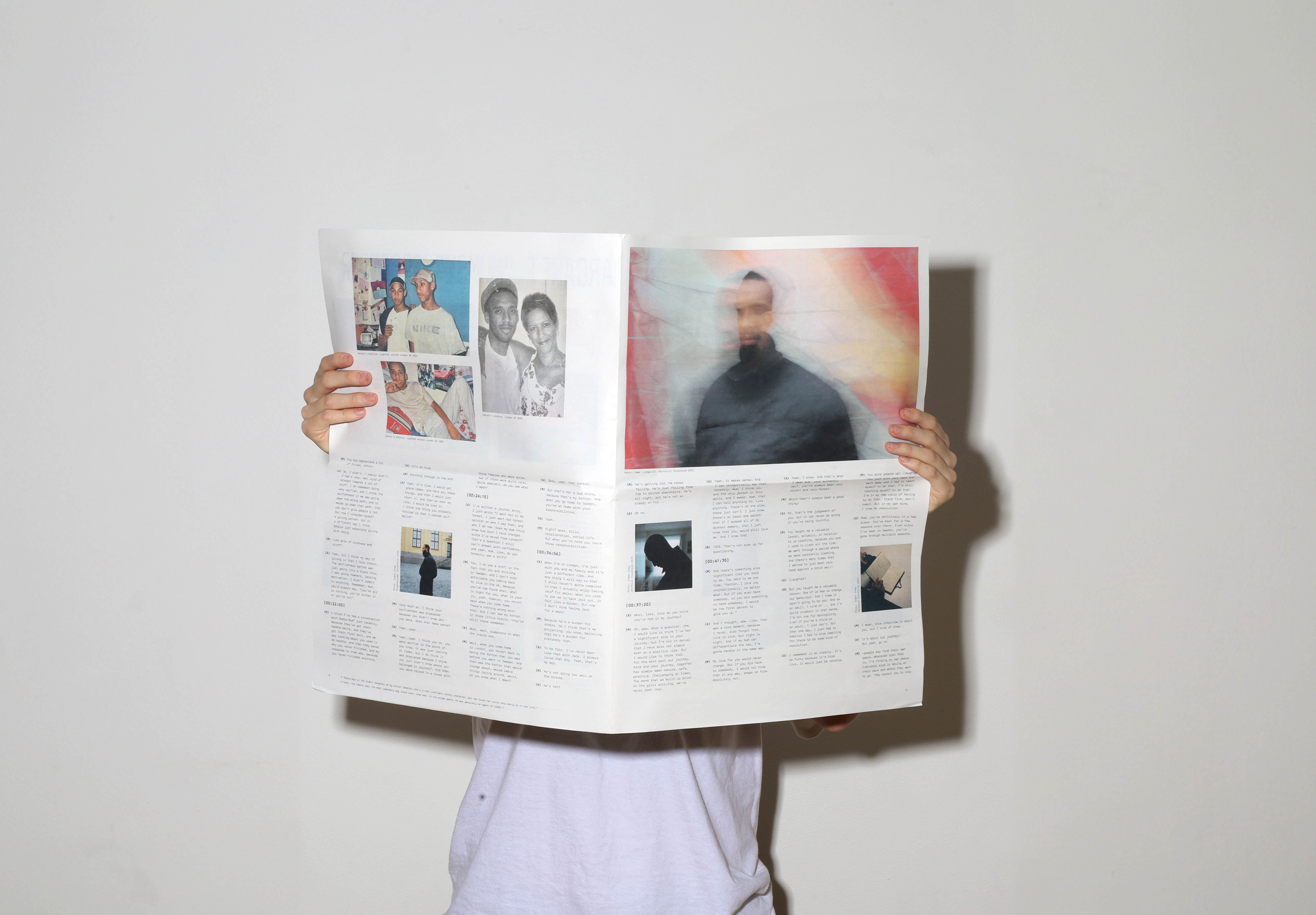
Dialogue is a magazine built around a recorded phone conversation between Ashton and his mum, Maggie, reflecting on change, distance, and personal transformation. The magazine contains images from Ashton's archive, as well as images taken by me and Simon Grey.
The project was presented in an exhibition at Rönnells Antikvariat, followed by an afterparty at Riche. For the afterparty, Caspar Broms, Olle Hiller, and I created a 3D animation featuring magazines made by my class, simulated in Houdini, with scenes built and rendered in Blender. The animations were shown at Riche through projection and as a hologram.


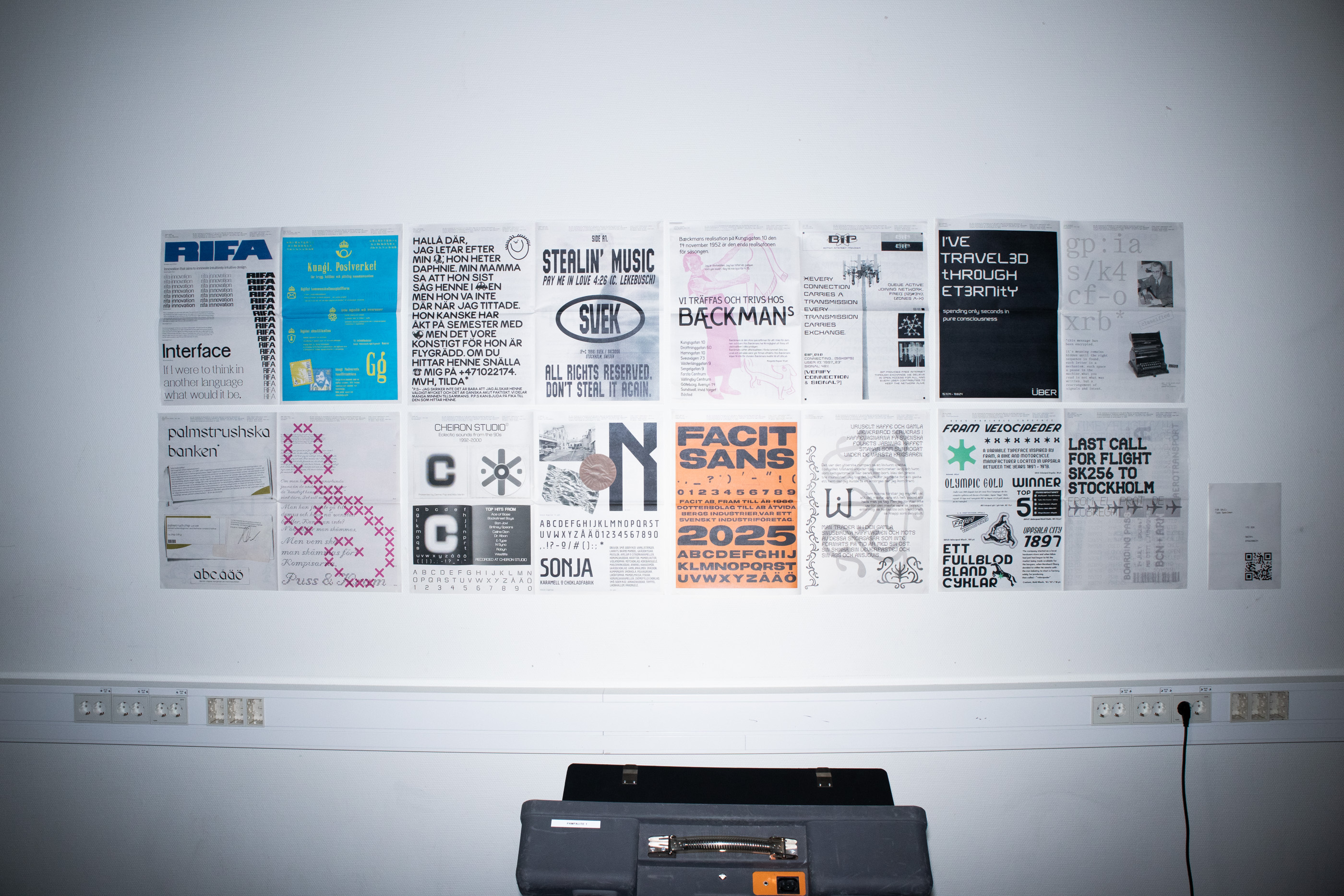
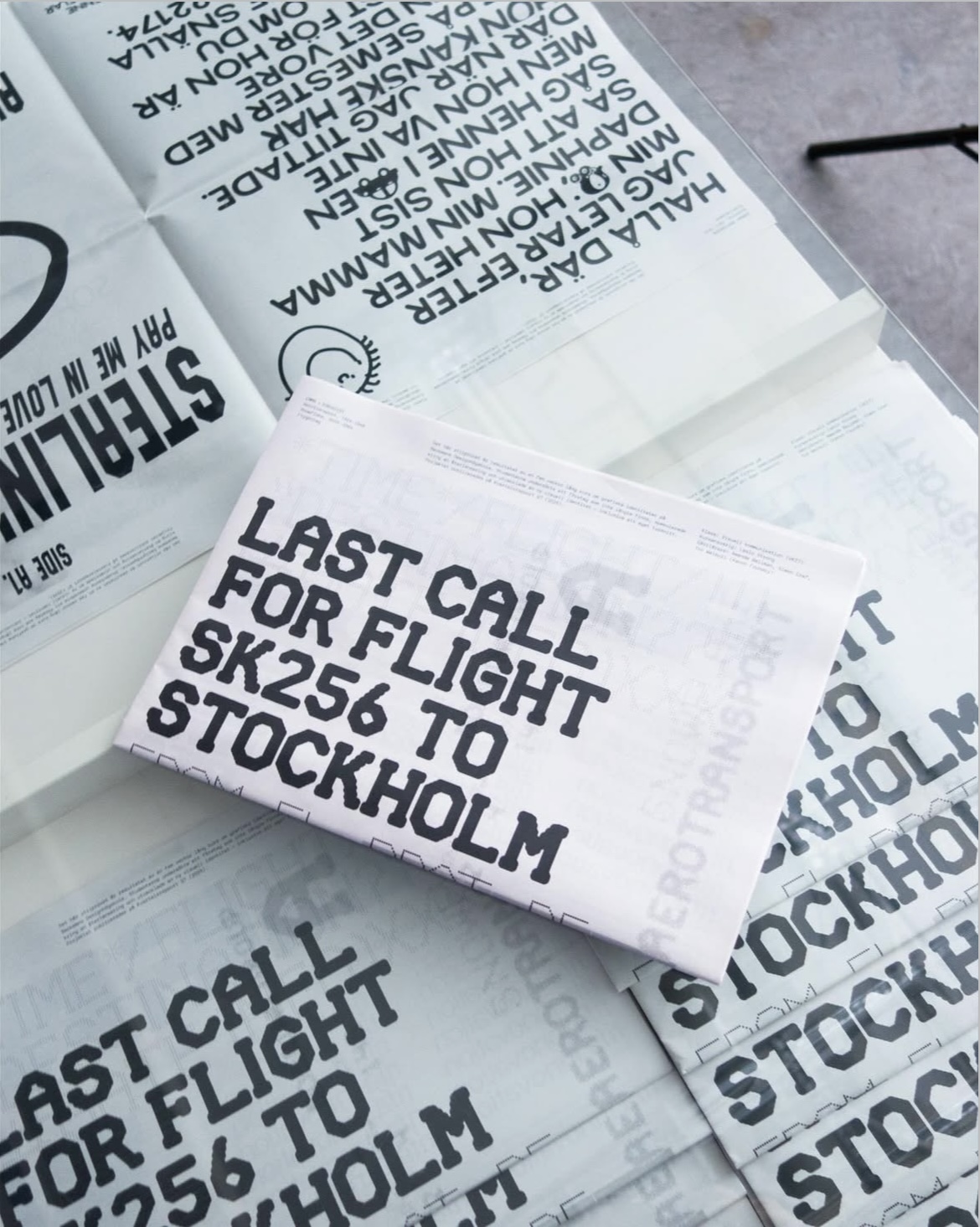
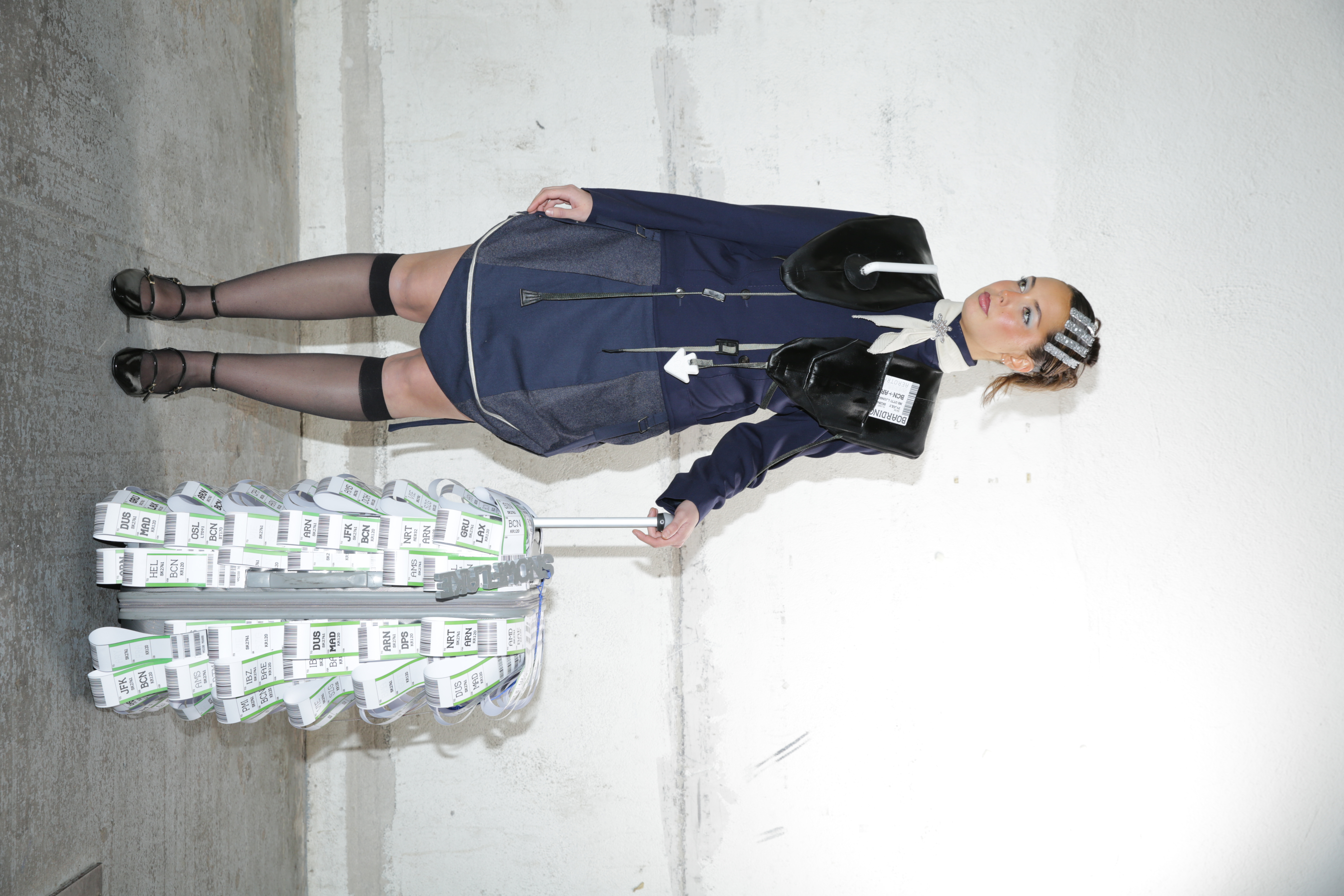
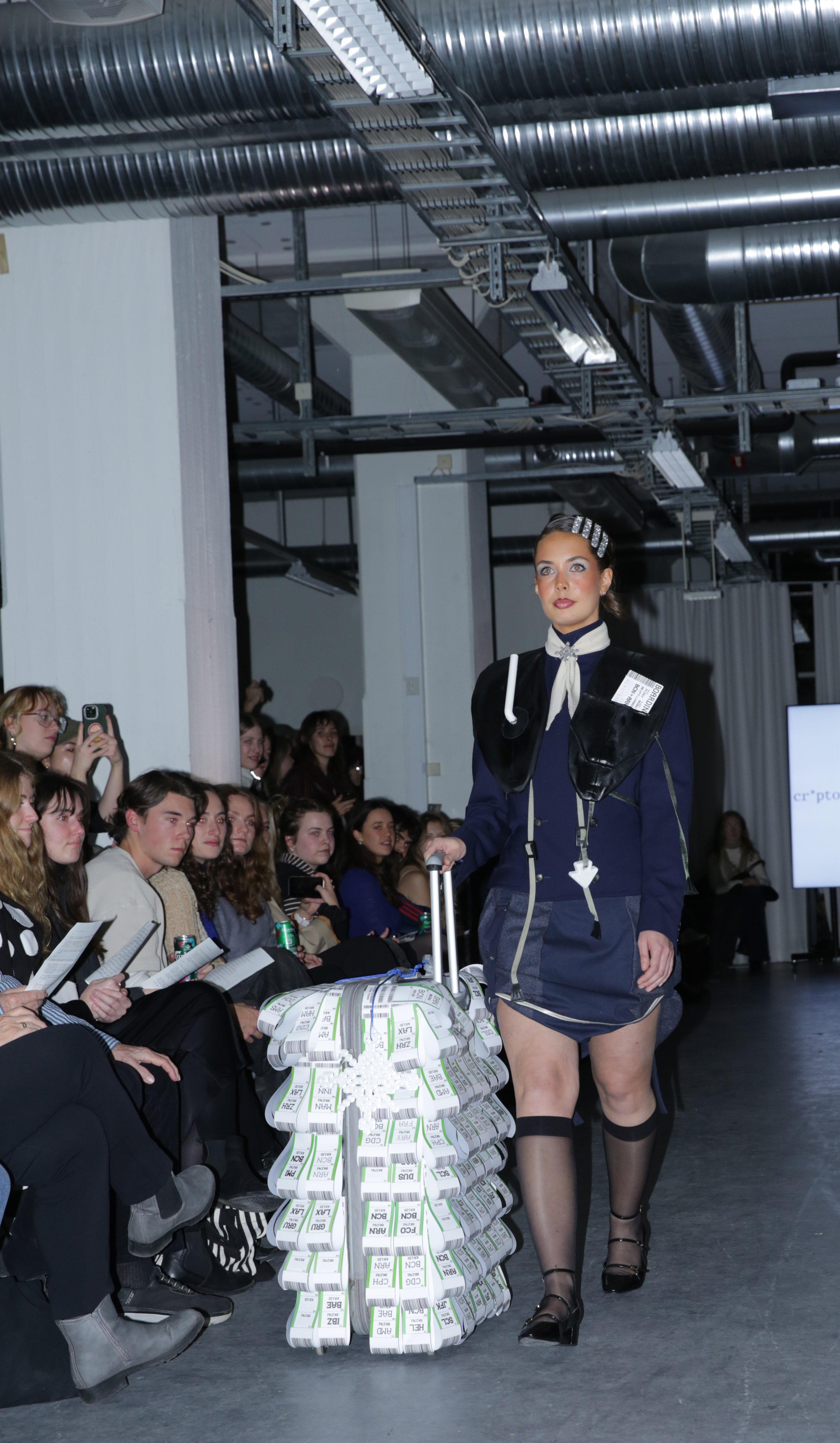
A collaboration with Kvartalsrapport where we researched forgotten companies and imagined their return through new visual identities, custom typefaces, and redesigned workwear. The project was showcased in a former post office with a printed newspaper of the typefaces and a runway presentation.
My work centered on reimagining Aerotransport Snowflake, a speculative airline formed by merging two moments in Swedish aviation history. ABA Aerotransport, Sweden's first aircraft company founded in 1924, and SAS Snowflake, a low-cost airline initiative active between 2003 and 2004. By combining these two references, I developed a contemporary airline concept that bridges early aviation optimism with early 2000s budget air travel.
The project explored how a modern airline identity could emerge from this hybrid history. I designed a custom typeface inspired by airport departure boards and the variable typeface became a central element in building the visual language of the company.
Alongside the graphic design, I expanded the concept into physical design through workwear for flight attendants. This included garments sewn by me as well as custom 3D-printed accessories, allowing the identity to move between digital, typographic, and material expressions.


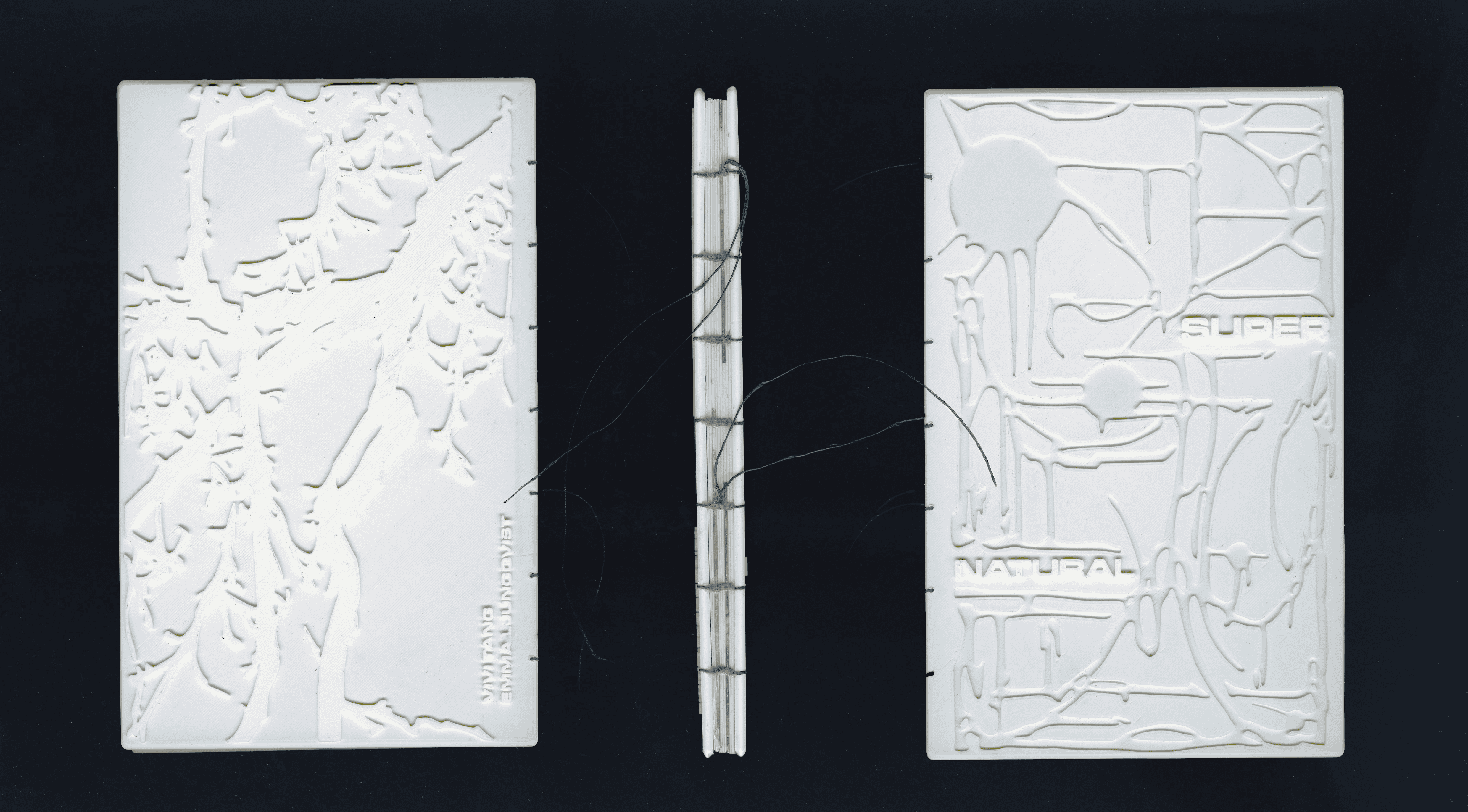
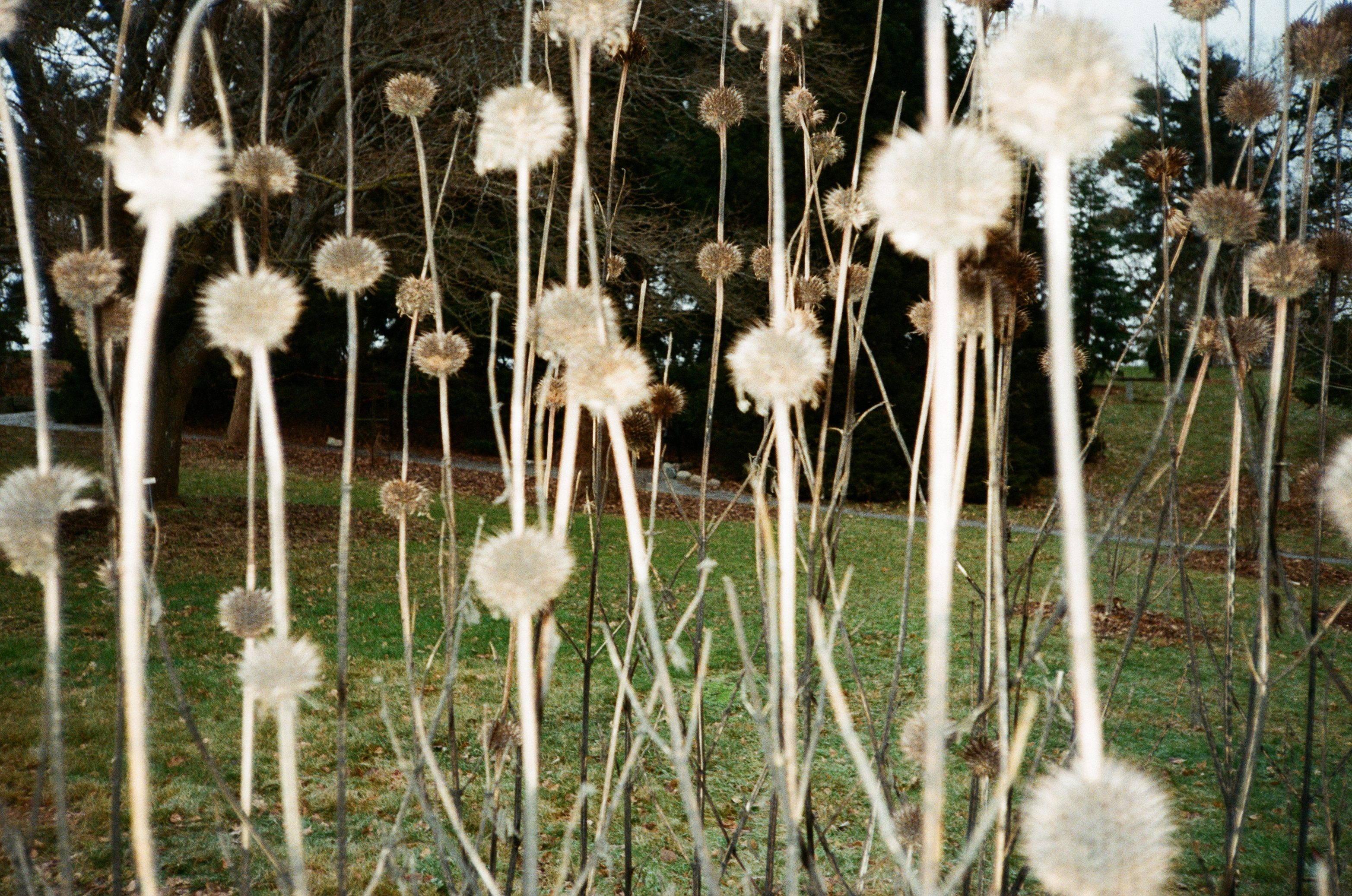

An experimental photo and artist book exploring the boundaries between realism and surrealism, as well as spiritualism and aesthetics. The project began with an assignment to collect 100 images in some way, which became a method for researching surreal visual language through photography.
We photographed in nature during both day and night, focusing on specific atmospheres, and explored different ways of capturing a sense of the unfamiliar and the supernatural. All images were our own and were further processed using a combination of AI, photo collage, and cyanotype.
Alongside the image making process, we explored the book as an object by working with layout, pacing, and visual rhythm. Choices around paper, format, materials, and printing techniques were considered to support the book’s expression. The final book features a 3D-printed cover and is entirely hand-bound and sewn.


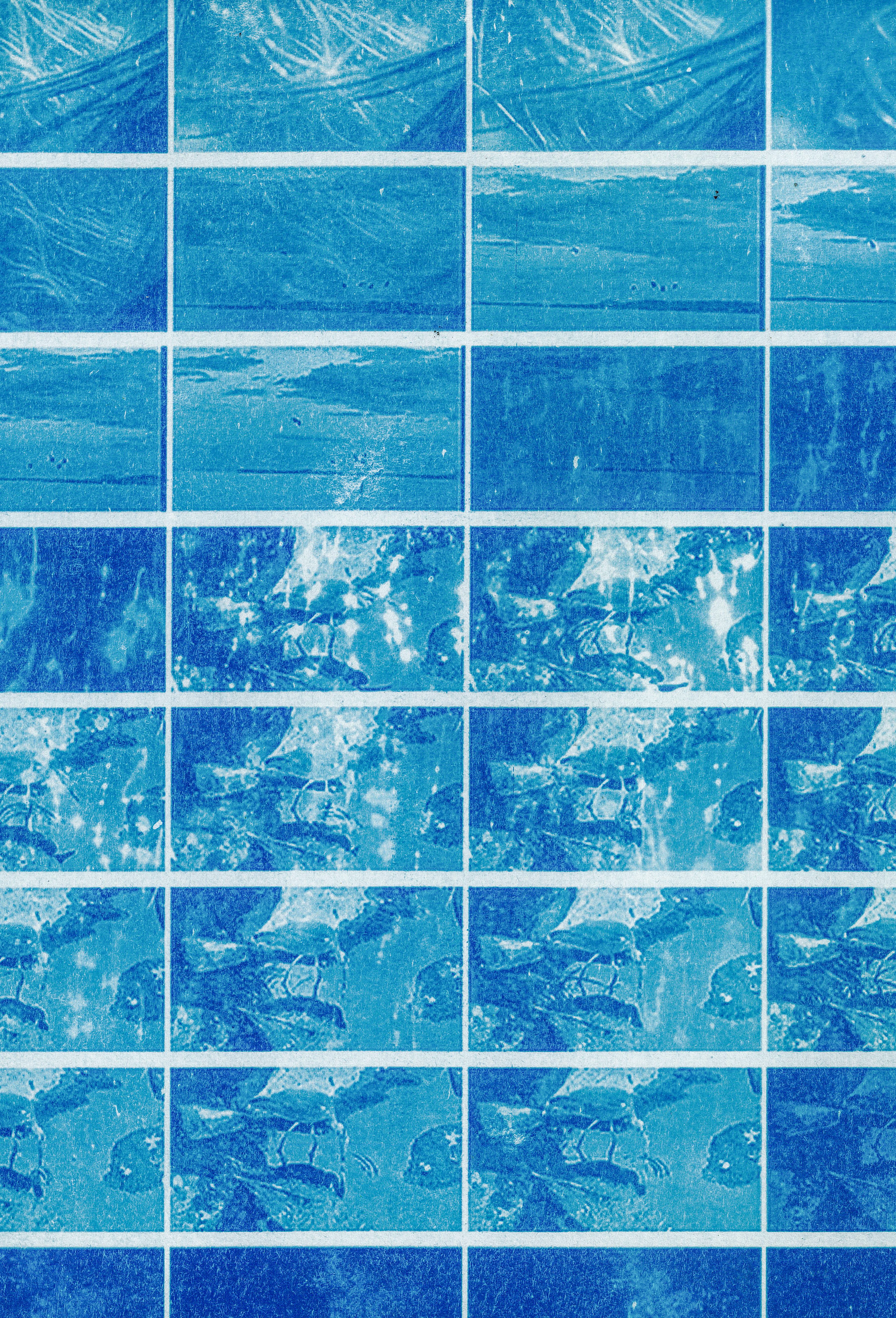
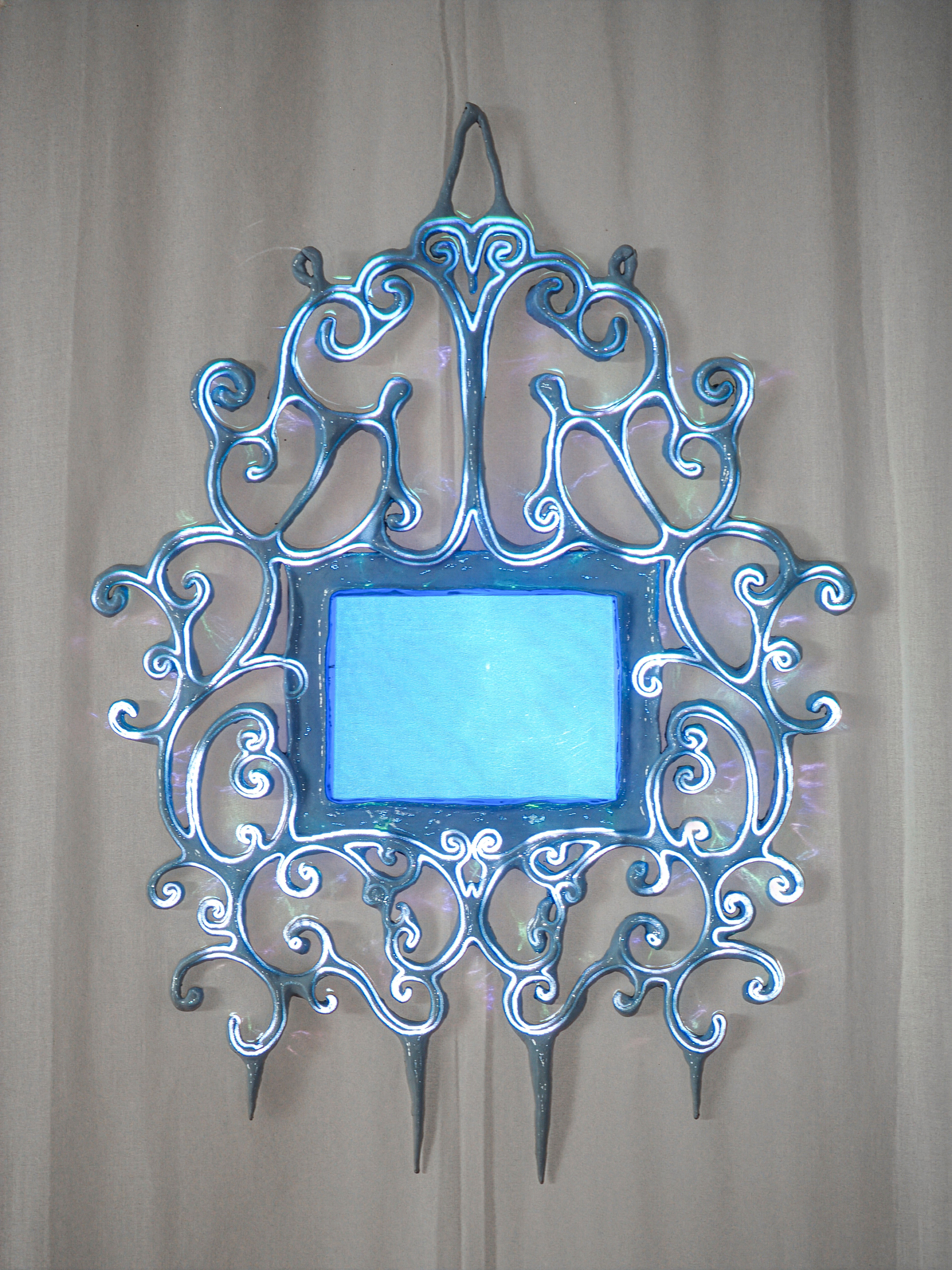
Is an experimental sculptural and moving-image work exploring dreams. The project investigates states between presence and absence, memory and disappearance, using material and motion as carriers of emotion.
The work consists of a handmade clay frame holding a frame-by-frame cyanotype animation from videos in my camera album. The animation's softness, irregular rhythm, and loss of detail reflect the unstable logic of dreams.
The frame is projection-mapped using TouchDesigner, adding a subtle, dreamlike layer of moving light.
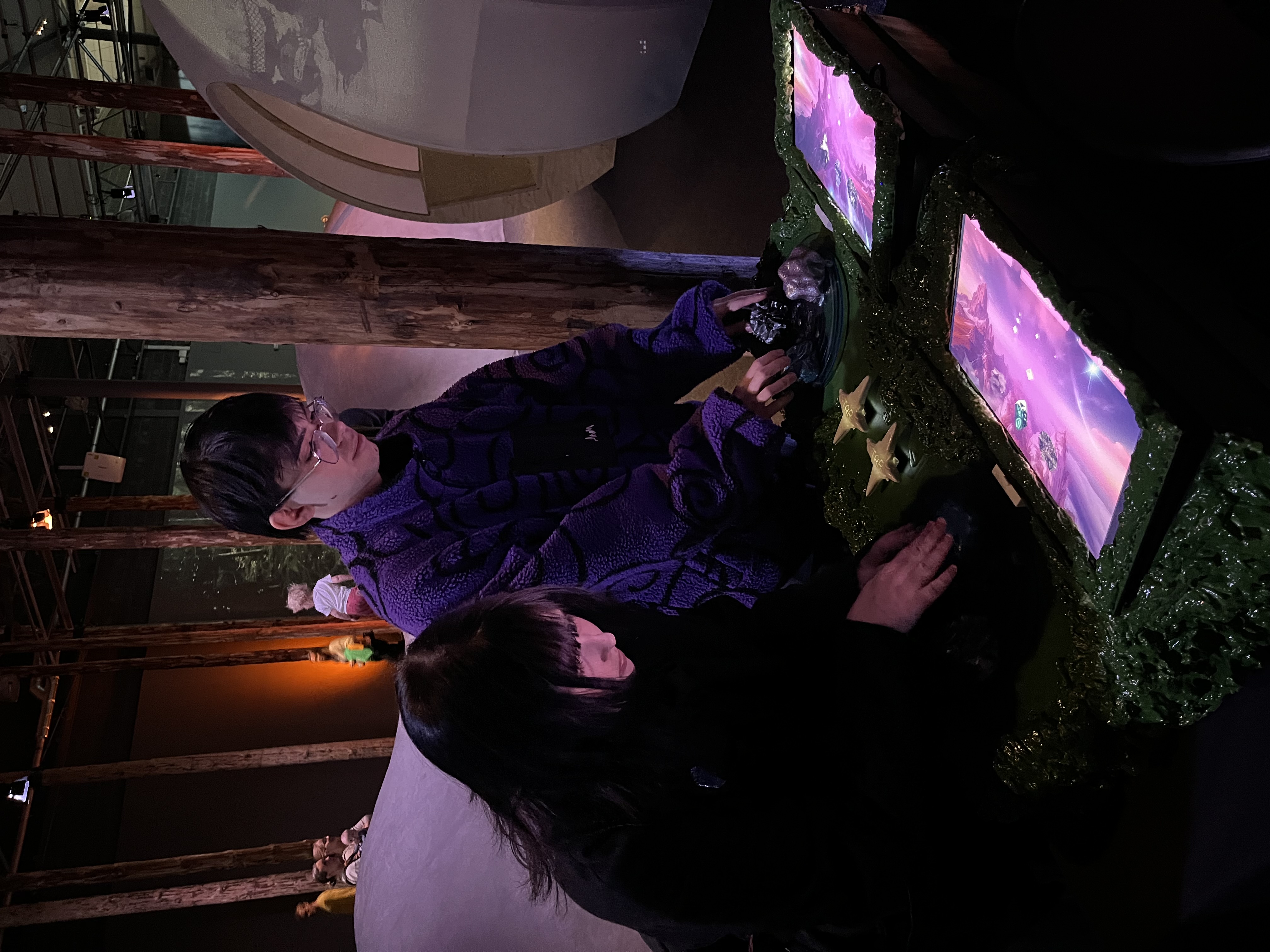
A group project focused on creating an arcade-style rhythm game inspired by Guitar Hero, developed as part of an assignment with the theme forest. Forest Fairy is played by taking on the role of a DJ, matching falling crystals on screen with the correct crystal on a vinyl record. The project combined game concept, visual world-building, and interaction design.
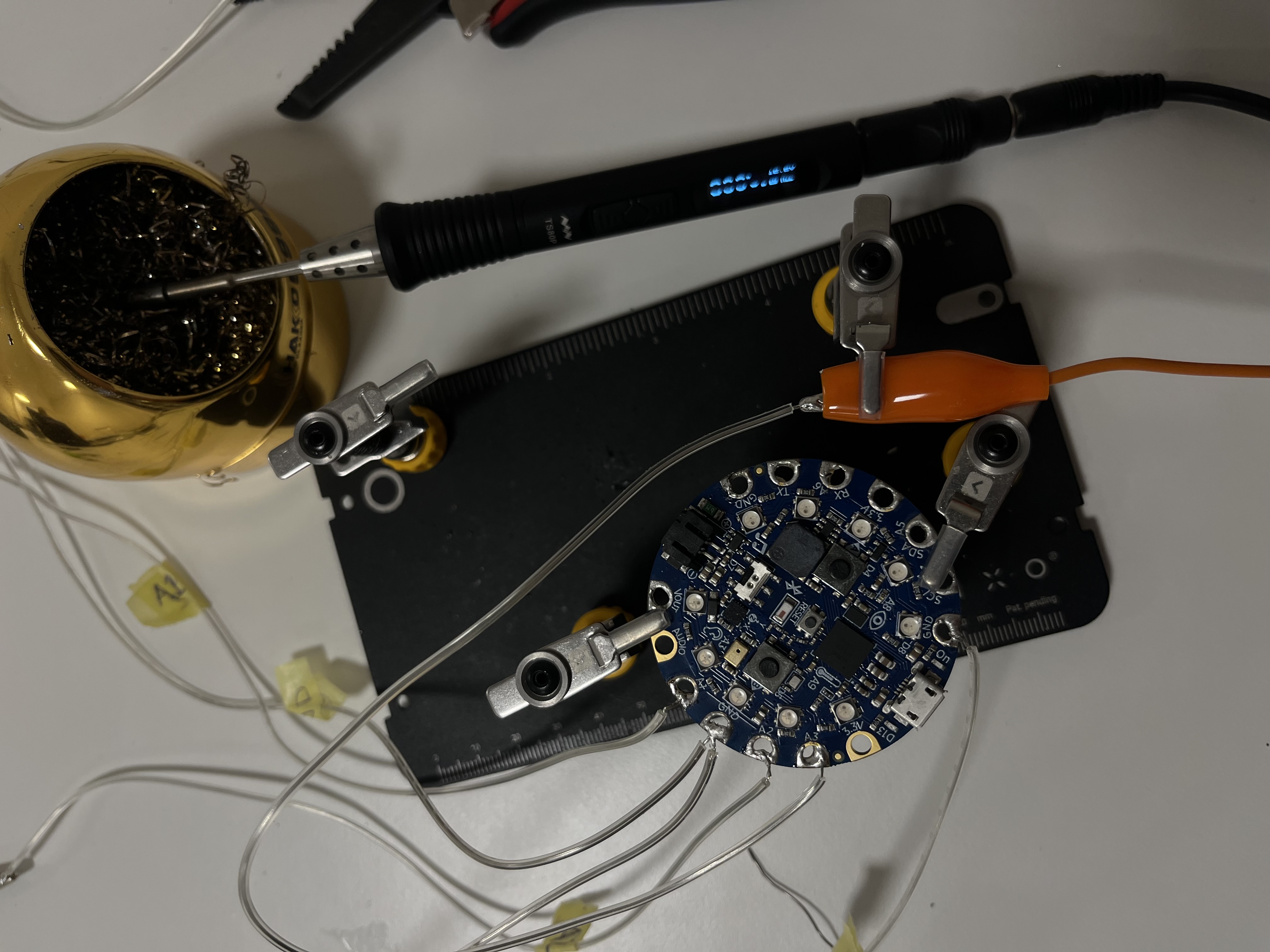
I was responsible for coding the game and developing its core mechanics, as well as creating the visual graphics for the game. This included 3D printing physical elements and producing 3D animations used within the game. The game is hosted on the web and played using the keyboard, with the inputs connected to a Circuit Playground coded in Python. The game was exhibited at the National Museum of Science and Technology, where visitors could play and experience the game we created.